
 Bookmark
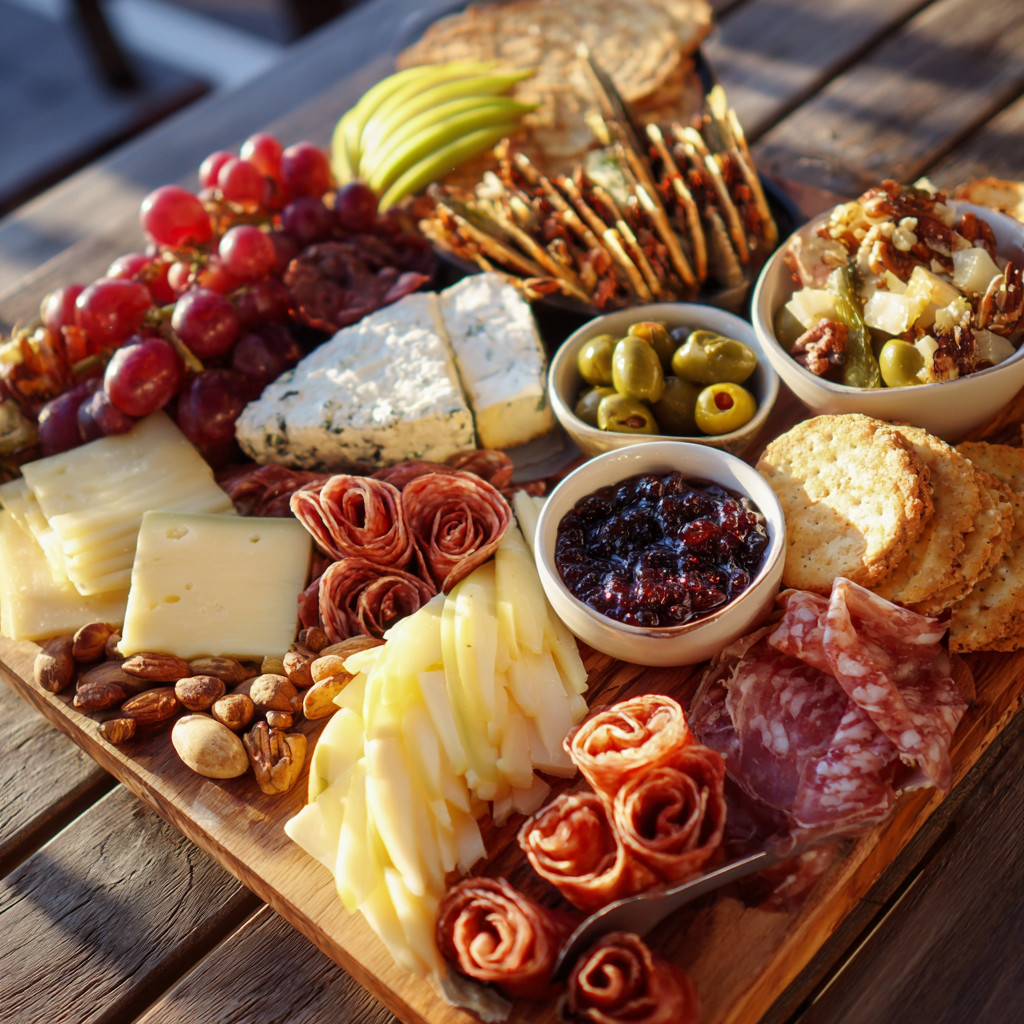
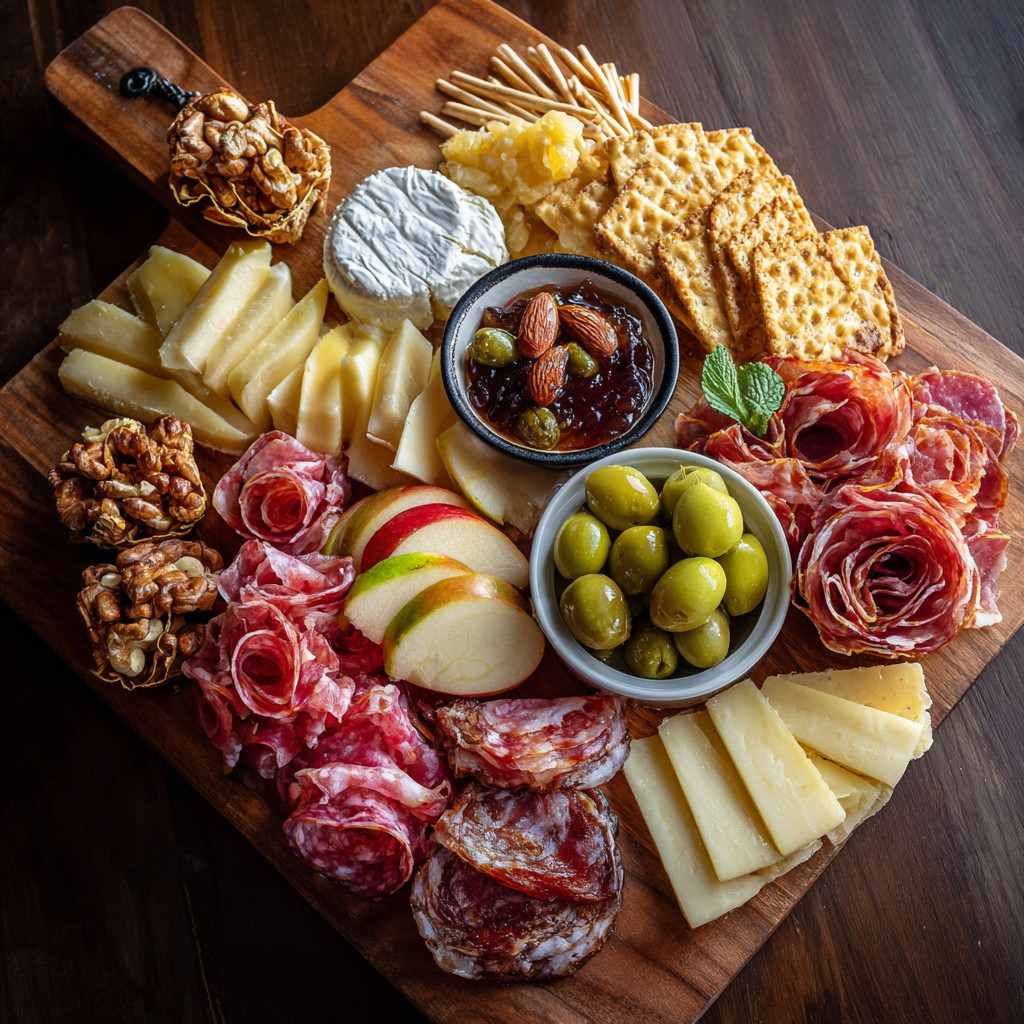
Building a charcuterie board is the ultimate way to impress guests with very little effort. Whether for a festive gathering or a casual evening with wine, this flexible, no-cook spread combines vibrant colors, varied textures, and a delightful mix of flavors that please just about every palate. From the sweet bite of fresh grapes and crisp apples to the rich savoriness of cured meats and cheeses, it provides a balanced tasting experience that's as beautiful to look at as it is to eat.
Why You’ll Love This Best Charcuterie Board Idea
- Uses simple, store-bought ingredients that are easy to find
- Customizable to any dietary preference or occasion
- No cooking involved yet offers a gourmet feel
- Visually stunning and fun to arrange
The first time I made a charcuterie board was for a last-minute dinner party. I was amazed at how such simple ingredients could feel so elegant. Now it’s my go-to spread when I want something that looks impressive but doesn’t require hours in the kitchen.
Ingredients
- Cured meats: such as prosciutto, salami, and soppressata provide salty richness and visual appeal. Choose high-quality deli or specialty shop options for the best flavor.
- A variety of cheeses: including soft types like brie and goat cheese, semi-soft like havarti and gouda, and hard cheeses such as aged cheddar or manchego add layers of texture and taste. Look for well-aged products for strong flavor.
- Fresh fruits: like apples and grapes add sweetness and color, balancing saltier elements. Select crisp and ripe produce to keep freshness.
- Crackers and breadsticks: serve as a crunchy base to pair with meats and cheeses. Pick a few textures and flavors to give contrast.
- Olives and pickles: offer a briny contrast that cuts through the richness of the other items. Choose firm olives and tangy pickles for brightness.
- Nuts: such as almonds or pistachios add crunch and an earthy note. Opt for raw or lightly roasted nuts without salt for balance.
- Honey and jams: add a sweet finishing touch that pairs wonderfully with cheeses. Fig or raspberry preserves work especially well.
Step-by-Step Instructions
- Start With Structure:
- Place small bowls of jams, olives, or honey on different corners of your board. This anchors the composition and helps distribute flavors evenly.
- Add Cheese:
- Arrange cheeses around the board, slicing some pieces for easy grabbing while leaving others whole to add height and interest.
- Layer Meats:
- Fold or roll cured meats and position them near cheeses to encourage pairing. Slightly overlap pieces to create an abundant look.
- Fill In With Fruits and Nuts:
- Tuck apple slices, grapes, and nuts into the spaces between your larger items. This softens the layout and adds pleasing color pops.
- Add Crackers Last:
- Place crackers or breadsticks around the edges or in small fans to keep them crisp and accessible.
 Bookmark
My favorite part of any charcuterie board is the honey and jam pairing. One holiday, my family made a game out of guessing which jam paired best with each cheese. It turned a simple snack into a fun little tradition.
Storage Tips
Keep each ingredient stored separately in airtight containers in the fridge if prepping ahead. Bring cheeses to room temperature before serving for the best flavor and texture. Leftover meats and cheeses can last up to three days refrigerated, but fruits are best eaten quickly to avoid sogginess or browning. Assemble the board fresh whenever possible for the best presentation.
Ingredient Substitutions
For vegetarian options, swap cured meats with marinated artichokes, stuffed peppers, hummus, or roasted chickpeas for similar texture and flavor variety. If you prefer a dairy-free board, use nut-based cheeses or plant-based spreads. For nuts, pumpkin seeds or roasted chickpeas can be crunchy alternatives if allergies are a concern.
Serving Suggestions
Serve your charcuterie board with a selection of wines or craft beers to complement the flavors. Light-bodied reds and crisp whites both work well depending on the meat and cheese choices. Add fresh herbs like rosemary or thyme sprigs for an aromatic garnish and extra color. Keep toothpicks or mini tongs handy to encourage sharing and easy snacking.
Cultural and Historical Context
Charcuterie originates from French culinary traditions focused on preparing and preserving meats. Over time, the art of charcuterie has evolved worldwide into a more casual and customizable way to enjoy a variety of cured meats, cheeses, and accompaniments. Today, charcuterie boards represent both rustic simplicity and gourmet flair, bridging old-world methods with modern entertaining trends.
Pro Tips
- Toast nuts lightly before adding for extra flavor and crunch
- Do not overcrowd the board; leave some open space for a clean, appealing look
- Slice fruits and cheeses just before assembling to keep them fresh and vibrant
Common Recipe Questions
- → How much food should I prepare per guest?
Plan about 3 ounces each of cured meats and cheeses per person, with a handful of crackers, fruits, and accompaniments to round out the board.
- → Can I assemble the board beforehand?
Prep and portion the ingredients ahead, but assemble just before serving to keep textures fresh and crackers crisp.
- → Which cheeses work best for this spread?
A balanced mix including soft brie, aged cheddar, goat cheese, manchego, and gouda offers varied textures and flavors.
- → Are there good vegetarian alternatives for the meats?
Yes, marinated artichokes, stuffed peppers, hummus, or roasted chickpeas provide flavorful and satisfying options.
- → Should the board be chilled before serving?
Keep meats and cheeses refrigerated until serving, but the assembled board itself does not require chilling.
- → How can I make the spread kid-friendly?
Include mild cheeses, sliced turkey, mini pretzels, and fresh berries to suit younger palates.