
 Bookmark
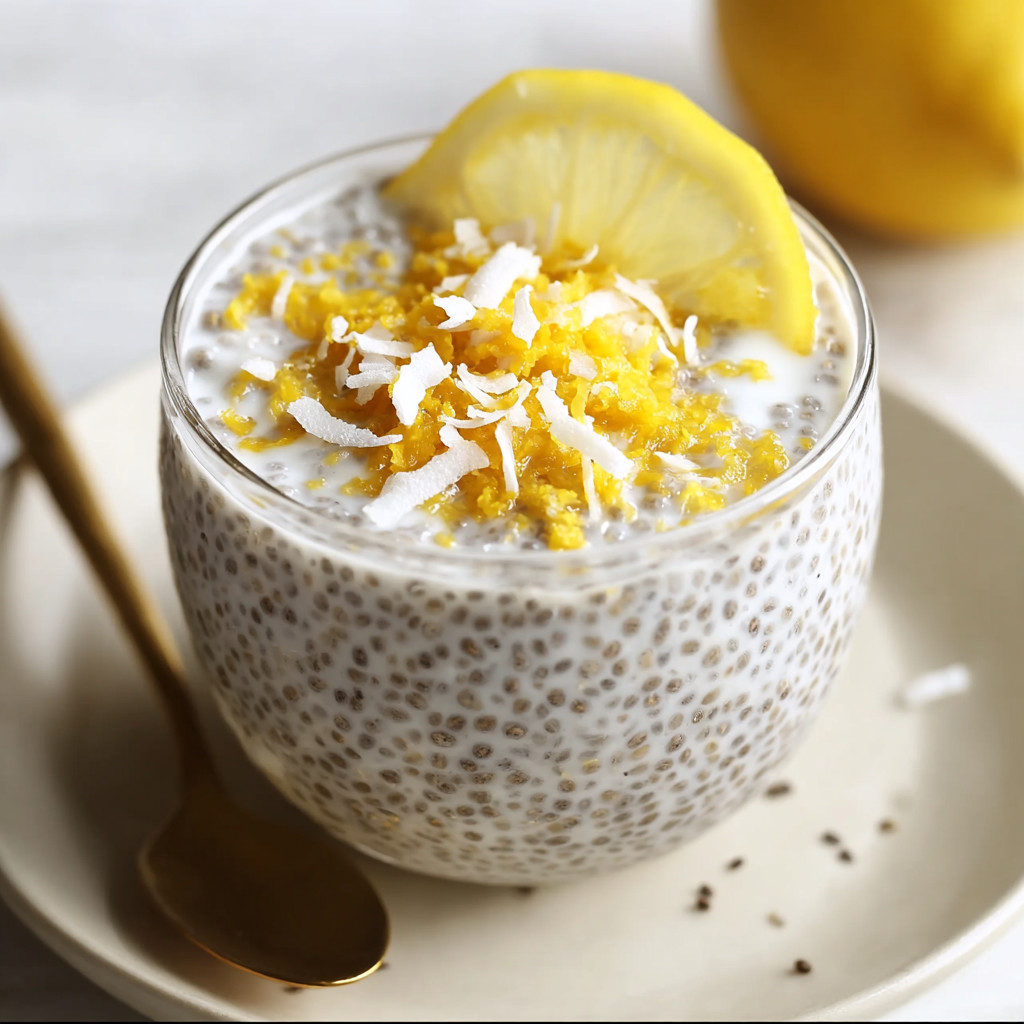
Lemon Coconut Chia Seed Pudding is a refreshing and nutritious treat that combines tropical coconut creaminess with the bright zing of fresh lemon. This easy no-cook recipe is perfect for those seeking a healthy dessert, a quick breakfast, or a satisfying snack packed with fiber, omega-3s, and plant-based protein. It’s a versatile, make-ahead dish that fits beautifully into clean eating and meal prep routines.
I first made this pudding during a week I wanted something light but filling and was amazed by how it keeps in the fridge for days without losing flavor. Now it’s a staple whenever I want a nutritious, grab-and-go breakfast or dessert.
Ingredients
- Chia seeds: provide omega-3, fiber, and gel the pudding to a creamy consistency, choose fresh seeds for best texture
- Coconut milk: use full-fat for the richest, creamiest texture, canned varieties work best
- Maple syrup or honey: adds natural sweetness and depth, maple syrup is great for strictly vegan choices
- Lemon juice: gives the tart brightness that lifts the coconut flavor, opt for fresh squeezed
- Lemon zest: intensifies the citrus aroma and flavor, organic lemons are ideal to avoid pesticide residue in the zest
- Vanilla extract, optional: rounds out the flavor with subtle warmth
- Shredded coconut for garnish, optional: adds texture and enhances the tropical vibe
Step-by-Step Instructions
- Combine Ingredients:
- In a medium mixing bowl, whisk together half a cup of chia seeds, one cup of coconut milk, one tablespoon of maple syrup or honey, one tablespoon of freshly squeezed lemon juice, one teaspoon of lemon zest, and one quarter teaspoon of vanilla extract if using. Whisk vigorously until the mixture is smooth and free of clumps to ensure even hydration of the chia seeds.
- Refrigerate:
- Cover the bowl with plastic wrap or transfer the mixture into glass jars with lids. Place in the refrigerator for at least two to four hours or preferably overnight. The chia seeds will swell and absorb the liquid, thickening the pudding to a luscious texture.
- Stir and Check Consistency:
- After chilling, give the pudding a good stir to break up any clumps. If it feels too thick, add a splash of coconut milk and stir again until you reach your preferred consistency.
- Serve:
- Spoon the pudding into serving bowls or jars. Garnish with shredded coconut, extra lemon zest, or a handful of fresh berries for added flavor and color.
- Enjoy:
- Savor your zesty, protein-packed coconut pudding cold for a nourishing treat that feels both indulgent and wholesome.
 Bookmark
My favorite ingredient is the lemon zest because it delivers a fragrant and refreshing punch that truly elevates this simple pudding to something special. Years ago, my kids helped me zest lemons for the first time, and their excitement made me realize how cooking together can turn even a small recipe into a joyful family memory.
Storage Tips
Store the pudding in airtight glass jars or containers in the refrigerator for up to five days. Keeping it in individual servings makes mornings easier and more convenient. If the pudding thickens too much, just stir in a little coconut milk before eating. Although it’s best served cold, you can gently warm the pudding on the stovetop or microwave for about 30 seconds, adding a splash of milk if needed.
Ingredient Substitutions
If you don’t have coconut milk, unsweetened almond, oat, or cashew milk can be swapped in, though this may alter the creaminess slightly. For a vegan sweetener, stick with maple syrup, honey can be used if you are not vegan. You can also mix in a pinch of turmeric or matcha powder for an extra health boost and color variation, though these will subtly shift the flavor profile.
Serving Suggestions
This pudding shines when layered into parfaits with granola and mixed berries or topped with tropical fruits like mango and pineapple for a summery bowl. Try pairing it with coconut macaroons or lemon bars for a citrus-themed dessert spread. Adding a dollop of Greek yogurt or a sprinkle of nut butter gives extra protein and creaminess, transforming it into a more substantial meal.
Cultural and Historical Context
Chia seeds have been a staple in indigenous diets of Central and South America for centuries because of their remarkable nutritional profile. Combining them with coconut and lemon highlights flavors common in tropical and coastal regions around the world, reflecting a fusion of simple, wholesome ingredients celebrated in both modern health food and traditional tropical cuisines.
Pro Tips
- Whisk the mixture well at the start to avoid clumped chia seeds
- Use full-fat coconut milk for that rich, silky texture that low-fat versions can’t match
- Adjust sweetness and lemon intensity gradually as fresh lemons vary in tartness, taste before refrigerating
Common Recipe Questions
- → Can I use almond milk instead of coconut milk?
Yes, almond, oat, or cashew milk can replace coconut milk. Keep in mind, full-fat coconut milk gives the creamiest texture and authentic tropical flavor.
- → How long does the chia pudding keep in the fridge?
Stored in airtight containers, it stays fresh for up to 5 days. Stir well before serving for even texture.
- → Why is my pudding too runny?
This usually happens if too much liquid is added or chia seeds are insufficient. Allow more chilling time or increase chia seeds slightly for thicker consistency.
- → Can the pudding be frozen?
Yes, freezing is possible using freezer-safe jars. Thaw overnight in the refrigerator and stir well before enjoying.
- → How do I prevent chia seeds from clumping?
Whisk the chia seeds vigorously with the liquid at the start to distribute them evenly and avoid clumps forming during chilling.
- → Is blending the pudding beneficial?
Blending before chilling creates a mousse-like, silky texture for a smoother experience if preferred.